0%
MON-FRI: 09:00AM - 07:00PM

Know About Asset Management System

Asset Management is the process of tracking, managing, and optimizing assets owned by a business or individual to maximize their value and efficiency over time.

What is Assets?

The term "asset management" is most commonly used in the finance sector, where it refers to the practice of increasing your total wealth over time by obtaining, maintaining, and trading assets that have the potential to increase in value. However, in business, it has a slightly different meaning. In the business world, assets can be anything from buildings, product inventory, patents, office furniture and equipment, software, hardware, factory machinery, and even people (employees). Assets are all the things a company owns.


  • Physical Assets – machinery, vehicles, equipment, buildings
  • Digital Assets – files, software, licenses, data
  • Financial Assets – cash, investments, stocks
  • IT Assets – computers, servers, networking devices

The Benefits of Asset Management Software

Asset management software is essentially a dedicated application that helps you keep track of all assets throughout their lifecycle, from procurement to disposal. Here are some of the benefits of implementing asset management software for your business:
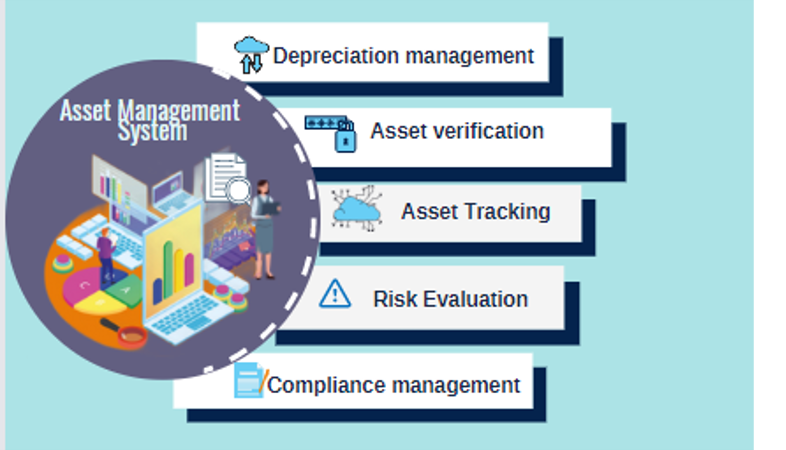
  • Manage everything in one place. Using a centralized system that allows you to check the status of an asset at any time from one location is a huge time saver.
  • Eliminating manual asset management processes helps reduce errors. In business, mistakes can be extremely costly.
  • Never miss maintenance. Asset management systems alert staff when equipment is ready for maintenance, which ultimately increases the longevity and performance of the equipment. This can save money on early replacements or expensive repairs.
  • With a complete overview of asset use, you can make adjustments or improvements to how you use your assets, ensuring they're always in the place where they can have the most significant impact.
  • Boosted profitability and reduced waste.
  • Accurate and comprehensive recordkeeping helps ensure compliance and means you can generate reports quickly.
  • Increased security. When you know where your assets are supposed to be, you'll spot ghost assets (lost or stolen) much more quickly. This means you don't have to worry about your assets ending up in the wrong hands.

Reasons that make the asset management system essential for business

Keep the track of company assets & helps to save time & money as well. The asset management system is the process of maximizing profits from the assets of the company to generate better ROI for businesses. A business needs to be able to manage as many assets, and use them to get the maximum returns.

Track assets

Allow tracking assets. Asset management allows organizations to keep the track of assets. It can help to organize assets according to their location, usage, and more. An asset management system allows retrieving the greater asset recovery that can lead to better ROI for assets.

Manage assets in different locations

Manage assets from different locations and track the real-time status of the assets. It enables the business to create detailed reports and asset statements. These reports would be beneficial showcase the profitability of the organization to financers & stakeholders.

Asset recovery

When assets are depreciated or out of stock their management of them becomes a challenge. In order to Keep track of assets, their status, calculation of depreciating value, identify a correct number of ghost assets, etc. The asset management system sorts the work and simplifies it to recover assets with a higher percentage of accuracy.

Asset maintenance & save money

The operational phase of the asset management life cycle requires an analysis of the maintenance of assets. Maintenance issues that occur and the money incurred on it, to resolve the issues asset management system works well. It helps to save time and optimizes the cost of & identifies the problems & implements the solutions effectively.

Optimize asset operations

Optimized asset operations can help to optimize costs, plan resources, implement management programs, and more. Optimize asset services life reduces total lifecycle cost, which translates into savings for your organization and your customers. Achieving an appropriate balance of corrective and proactive maintenance is essential.

Calculates the asset depreciation value

There are times when you have lost or stolen assets that are still in the inventory record. These assets are ghost assets. To get rid of the ghost assets, the asset managemenet system can organize the assets and lets you deliver the appropriate depreciation value.

Risk management Plan

An asset management system allows for to implement risk management plan efficiently. It can handle the risk associated with asset ownership and others. A proper asset management system implements all operations effectively. It assists to find out the risk involved and come with solutions to fix them.

All these reasons are effective in improvising business profitability with the proper system. The asset management system helps your organization in many ways. It streamlines the workflow, manages multiple operations, improves efficiency at work, and generates better ROI. The features are essential for a business to sustain itself in the competitive digital environment.